Mechanical Engineering
CENTER OF EXCELLENCE
The Vision
To impart quality education by promoting innovations in the field of Mechanical Engineering.
The Mission
- To enrich the students with practical knowledge and employability skills.
- Collaboration with industries to bridge the academic gap.
- To set up center of excellence for research and innovation.
- To serve society through value added services.
PROGRAMME EDUCATIONAL OBJECTIVES
PEO-1:Mechanical Graduates will have strong fundamental technical knowledge and are capable to develop core competency in diversified areas such as Production, Design, Thermal, Industrial and allied fields with the use of software tools to expand their knowledge horizon and inculcate lifelong learning. (Fundamental Knowledge)
PEO-2: Graduates will have effective communication, leadership, team building, problem solving, decision making skills, and software and creative skills by understanding contemporary issues there by contributing to their overall personality and career development. (Design and development)
PEO-3: Graduates will practice ethical responsibilities and service towards their peers, employers, society and follow these precepts in their daily life. (Skill Set)
PEO-4: Equipped with strong conceptual understanding of core and basic concept of mechanical engineering, graduates will help the capability at par for rapid technological change. (Professionalism & Societal Contribution)
PROGRAMME SPECIFIC OUTCOMES
PSO-1: To capable the student to identify, analyze and apply the knowledge to build manufacturing and thermal systems considering the principles and techniques of mechanical engineering and other allied streams.
PSO-2: To develop an attitude of accepting the global challenges and to build the nation by Imparting technological inputs and managerial skills to become technocrats and entrepreneurs on the emerging fields and pursing advance education and research.
Highlights of the Department
- Highly motivated and dedicated faculty and staff members with extensive academic qualification and experience.
- No. of faculties have published papers/articles at several well-known journal and conference of national and international level.
- Well equipped state of the art laboratories and workshop.
- Committed to outcome-based teaching learning process.
- R&D center for product development and new idea generation.
- Conducting various types of cultural and technical events under the department Society of Mechanical engineers (SME)
- Providing industry academic collaborative mission and develop linkage with R&D organization and educational institution.
- Conducting soft skill & technical skill development programs for students in coordination with T&P Cell.
- Providing all types of support to students for their publications in journals.
- Provide facilities to students to access SCOPUS database which is the largest abstract and citation database of peer reviewed literature.
- Publication of papers of the students in reputed journals every year.
- Maintaining research activities and achievement records in half yearly published proceeding named SIMECH.
- Preparing and encouraging the students to participate in various technical competitions organized by different institution (Number of students of the department have been awarded at different national level competitions).
Outcome Based Education (OBE)
- Outcome Based Education (OBE) is student-centered instruction model that focuses on measuring student performance through outcomes. The OBE model measures the progress of the graduate in three parameters, which are Program Educational Objectives (PEO), Program Outcomes (PO). Course Outcomes (CO)
- PEO’s are broad statements that describe the career and professional accomplishments that the program is preparing the graduates to achieve. PEO’s are measured 4-5 years after graduation.
- PO’s are narrower statements that describe what students are expected to know and be able to do by the time of graduation. They must reflect the 12 Graduate attributes as described by NBA for under graduate engineering programs.
- CO’s are the measurable parameters which evaluates each student’s performance for each course that the student undertakes in every semester.
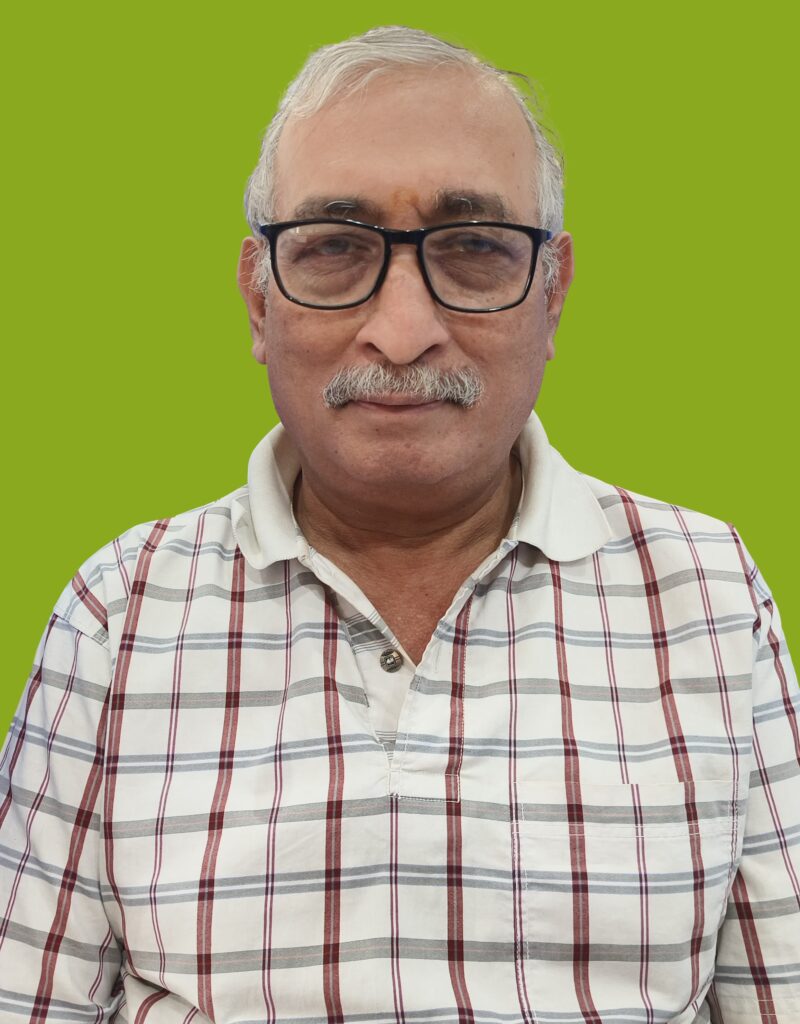
Name: (Professor) Dr. R.A. Kumar Das
Designation: Professor
Qualification: Ph.D (Utkal University)
Area of Interest:
Software Engineering, Compiler Design, Artificial Intelligence etc.
Experience: 35+ Years
E-mail ID: [email protected]
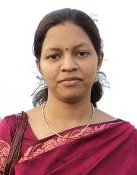
Name: Mrs. Tapasi Das
Designation: Asst. Professor
Qualification:
ME (Utkal University, Bhubaneswar)
Area of Interest: Generative AI,Large language model, Theory of computation
Experience: 15 Years
E-mail ID: [email protected]
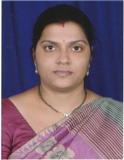
Name: Mrs. Sandigdha Acharya
Designation: Asst. Professor
Qualification: B.Tech., M.Tech., Ph.D. Cont. (S’O’A University, Bhubaneswar)
Area of Interest: Natural Language Processing, Artificial Intelligence, Soft Computing, Image Processing
Experience: 11+ Years
E-mail ID: [email protected]
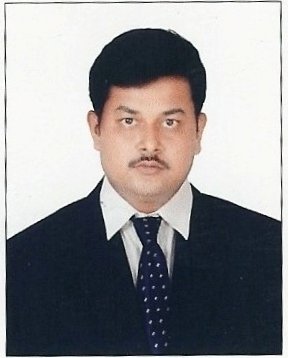
Name: Prof. Amalendu Bag
Designation: Asst. Professor
Qualification: M.Tech.(CSE) (BPUT,Odisha),P.hd(Continue)
Area of Interest:
Machine Learning,Artificial Intelligence,Data Science .
Experience: 22+ Years
E-mail ID: [email protected]
Name: Mr. Rasmi Ranjan Mohanty
Designation: Asst. Professor
Qualification: M.Tech. (CGU University)
Area of Interest:
Data Science, DBMS, IOT etc.
Experience: 15+ Years
E-mail ID: [email protected]
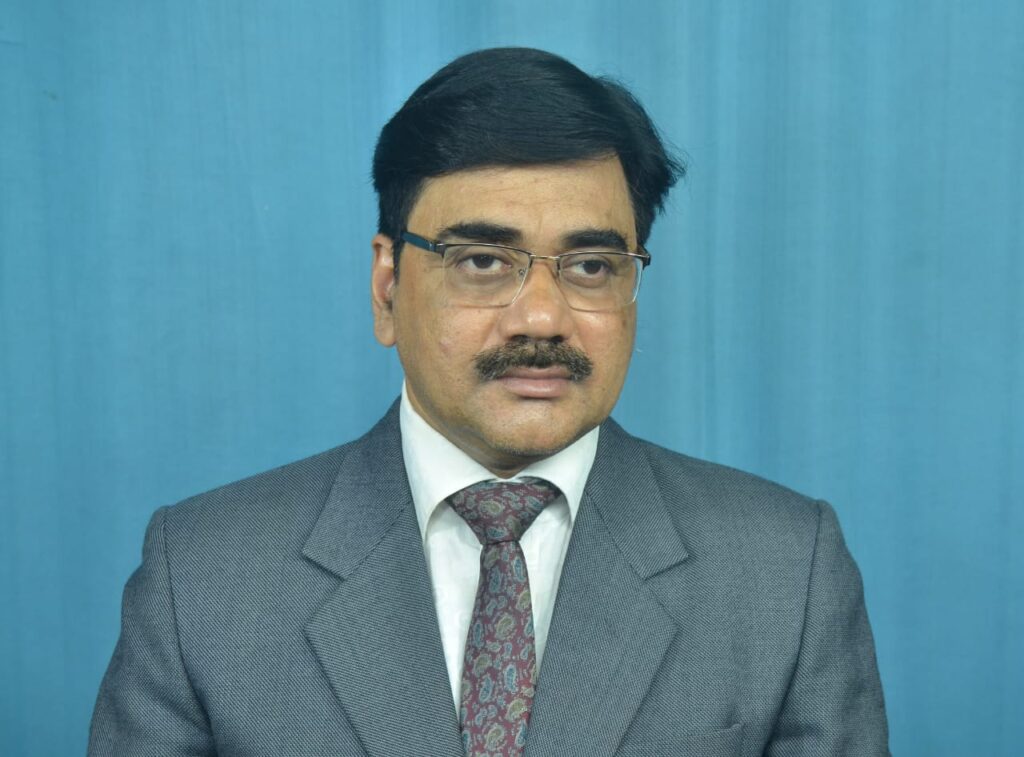
Name: Mr. Sujeet kumar Nayak
Designation: Asst. Professor
Qualification: M.Tech. (F.M. University, Balasor)
Area of Interest: DBMS, Computer Graphics, Software Engineering
Experience: 19+ Years
E-mail ID: [email protected]
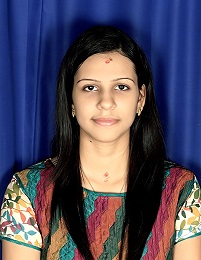
Name: Miss. Shakti Sworupa Dash
Designation: Asst. Professor
Qualification: M.Tech. (IMIT, Cuttack)
Area of Interest: Deep Learning, Artificial Intelligence etc.
Experience: 4+ Years
E-mail ID: [email protected]
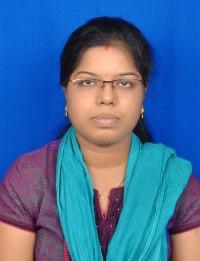
Name: Mrs. Swikruti Dash
Designation: Asst. Professor
Qualification: M.Tech. (Utkal University, Odisha)
Area of Interest: Computer Architecture, DBMS, DAA, Artificial Intelligence etc.
Experience: 6+ Years
E-mail ID: [email protected]
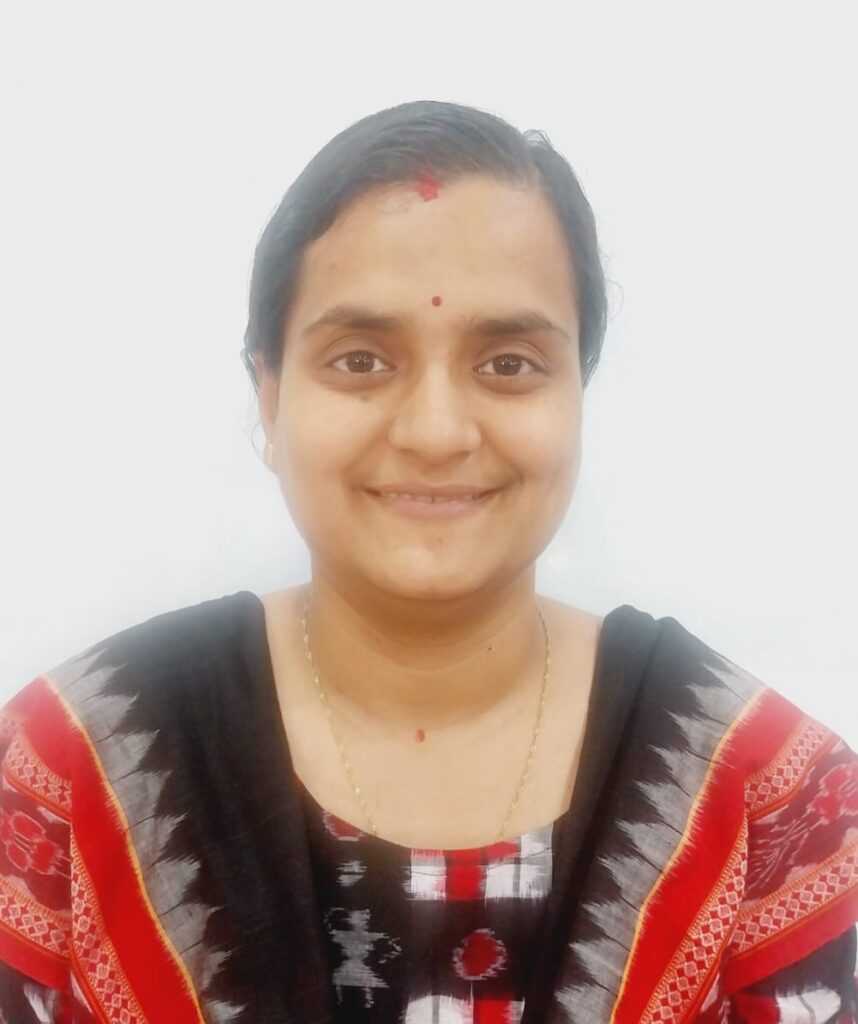
Name: Mrs. Karisma Mohaptra
Designation: Asst. Professor
Qualification: M.Tech. (Utkal University) Ph.D Continue (SOA University)
Area of Interest: NLP, Deep Learning, Federated Learning etc.
Experience: 8+ Years
E-mail ID: [email protected]
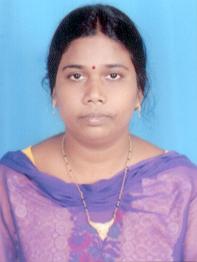
Name: Mrs. Tapaswini Raut
Designation: Asst. Professor
Qualification: M.Tech. (Utkal University, Odisha)
Area of Interest: Artificial Intelligence, Machine Learning etc.
Experience: 6+ Years
E-mail ID: [email protected]
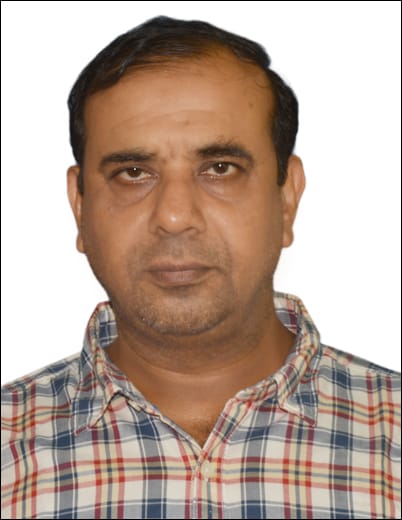
Name: Mr. Arabinda Tripathy
Designation: Asst. Professor
Qualification: M.Tech. (Utkal University, Odisha)
Area of Interest: Computer Architecture, Software Quality Management etc.
Experience: 6+ Years
E-mail ID: [email protected]
Name: Mrs. Sucharita Nathasharma
Designation: Asst. Professor
Qualification: M.Tech. (BPUT, Odisha)
Area of Interest: DBMS, DAA etc.
Experience: 9+ Years
E-mail ID: [email protected]
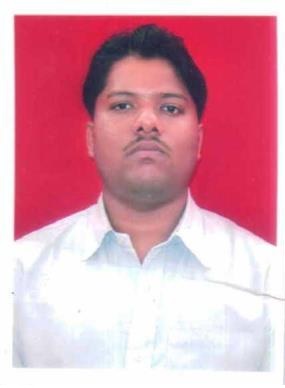
Name: Dr. Biswaranjan Mishra
Designation: Asst. Professor
Qualification: Ph.D (GIET University, Gunupur)
Area of Interest: IoT, SE etc.
Experience: 14+ Years
E-mail ID: [email protected]
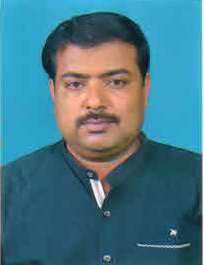
Name: Mr. Manas Ranjan Ojha
Designation: Asst. Professor
Qualification: M.Tech. (CET Odisha)
Area of Interest: DBMS, DAA, Artificial Intelligence Machine Learning etc.
Experience: 10+ Years
E-mail ID: [email protected]
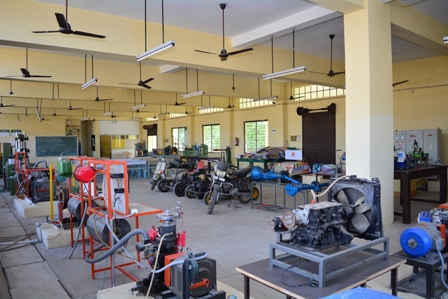
Department has developed 10 (Ten) state-of-the-art laboratories such as :
- REFRIGERATION AND AIR CONDITIONING LAB
- HEAT TRANSFER LAB
- MACHINE DYNAMICS LAB
- FLUID MECHANICS HYDRAULICS MACHINE LAB
- MATERIAL TESTING LAB.
- I C ENGINE LAB
- CAD & CAM LAB
- ENGINEERING GRAPICHS LAB
- MECHANICAL WORKSHOP
- DESIGN PROJECT LAB
Programme Outcomes
| POs | Highlight | Explanation |
|---|---|---|
| PO1 | Engineering knowledge: | Apply the knowledge of mathematics, science, engineering fundamentals, and an engineering specialization to the solution of complex engineering problems. |
| PO2 | Problem analysis: | Identify, formulate, review research literature, and analyze complex engineering problems reaching substantiated conclusions using first principles of mathematics, natural sciences, and engineering sciences. |
| PO3 | Design/development of solutions: | Design solutions for complex engineering problems and design system components or processes that meet the specified needs with appropriate consideration for the public health and safety, and the cultural, societal, and environmental considerations. |
| PO4 | Conduct investigations of complex problems: | Use research-based knowledge and research methods including design of experiments, analysis and interpretation of data, and synthesis of the information to provide valid conclusions. |
| PO5 | Modern tool usage: | Create, select, and apply appropriate techniques, resources, and modern engineering and IT tools including prediction and modeling to complex engineering activities with an understanding of the limitations. |
| PO6 | The engineer and society: | Apply reasoning informed by the contextual knowledge to assess societal, health, safety, legal and cultural issues and the consequent responsibilities relevant to the professional engineering practice. |
| PO7 | Environment and sustainability: | Understand the impact of the professional engineering solutions in societal and environmental contexts, and demonstrate the knowledge of, and need for sustainable development. |
| PO8 | Ethics: | Apply ethical principles and commit to professional ethics and responsibilities and norms of the engineering practice. |
| PO9 | Individual and team work: | Function effectively as an individual, and as a member or leader in diverse teams, and in multidisciplinary settings. |
| PO10 | Communication: | Communicate effectively on complex engineering activities with the engineering community and with society at large, such as, being able to comprehend and write effective reports and design documentation, make effective presentations, and give and receive clear instructions. |
| PO11 | Project management and finance: | Demonstrate knowledge and understanding of the engineering and management principles and apply these to one’s own work, as a member and leader in a team, to manage projects and in multidisciplinary environments. |
| PO12 | Life-long learning: | Recognize the need for, and have the preparation and ability to engage in independent and life-long learning in the broadest context of technological change. |
Scope And Objective
Mechanical engineering is concerned with the management of people and resources, the development and use of new technologies and the design and development of new processes and products, which mainly involve things that move, such as motor vehicles, aircraft systems, engines, pumps, gas turbines, industrial plants, air-conditioning/refrigeration systems, manufacturing processes, building services and even space stations. Mechanical engineers offer expertise in the fields of combustion, noise and vibration control, energy technology, control systems, robotics, quality management, bioengineering, aeronautics, fluid mechanics, water supply, mining, manufacturing, production planning, maintenance planning, consumer product design, pollution control and new materials.
They also build and test prototypes of their products in order to prove their designs. Mechanical engineers also have a key role to play in energy utilization and management recognizing their responsibility to the environment and society at large.
Career Opportunities
As a graduate from this degree, one will be in a position to apply for a variety of mechanical engineering roles in the following areas: in private industry designing, developing, manufacturing and maintaining products, equipment and machinery of all kinds; as a consulting engineer work may include building services, mechanical engineering, design, and in private industry and semi-state bodies power generation, transport, environmental technologies, etc.
Our Achievers
Department Advisory Board (2020-21)
- It consists of program coordinator, senior faculty members, and representatives of key stakeholders.
- Headed by Programme Coordinator, receives the report of the Program Assessment Committee and reviews the progress of the program.
- It analyses current and future issues related to the program.
- Prepares and recommends new or revised program objectives.
| Sl. No. | Name | Designation |
|---|---|---|
| 1. | Dr. Ajay Kumar Swain | Director |
| 2. | Dr. Ramesh Chandra Nayak | HOD |
| 3. | Senior Faculty Members of the Department Dr. Anjan Kumar Sahu Mr. Krutibash Khuntia | |
| 4 | Dr. Biswaranjan Sarangi Dr. Srinibash Swain Dr. Pankaj kumar Dash | HOD, CSE HOD, EE HOD, CE |
| 5. | Representatives from Industry Er. Sudhir Kumar Panigrahi Dr. Chitta Ranjan Mishra | Former, Vice President. Bhushan Energy Limited, Tata Group EX DGM & Head R & D, Nalco |
| 6. | Representatives from Academics Dr. Payodhar Padhi Dr. Prasant Nanda | Director cum Chairman, R & D High Tech Group Prof (ME), V.S.S.U.T, Burla |
| 7. | Parent Representatives Mr. Satyaban sahoo Mr. Prasanna behera | Parents |
| 8. | Alumni Representatives Mr. Naresh Patra Mr Dipak Das | Alumni |
| 9. | Student Representatives Mr. Abhijit Jena Mr. Trilochan Dalai Mr. Sipun Kumar Mallik Mr. Asit Muduli Mr. Dipak Jena Mr. Sanjib Swain | Students |